
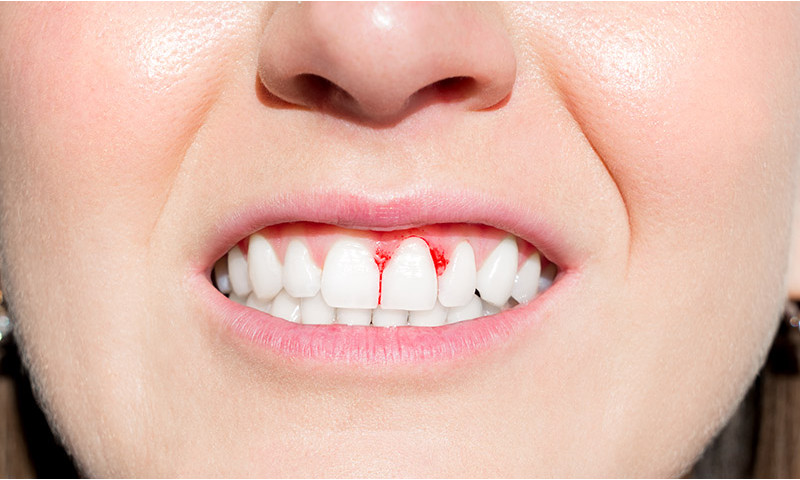

Bleeding gums can be an alarming symptom that often signals an underlying oral health issue. Whether you notice bleeding while brushing, flossing, or even eating, it’s essential to understand the root cause and seek appropriate solutions. In this article, we’ll explore the various causes of bleeding gums and how to address them to maintain optimal oral health.
Causes of Bleeding Gums
There are several reasons why your gums may bleed, ranging from simple causes to more complex health conditions. Understanding the underlying cause is the first step to finding an effective solution.
Gingivitis
One of the most common causes of bleeding gums is gingivitis, an early stage of gum disease. Gingivitis occurs when plaque, a sticky film of bacteria, builds up along the gumline. If plaque is not removed through regular brushing and flossing, it can irritate the gums, leading to inflammation and bleeding. Symptoms of gingivitis include red, swollen gums that may bleed easily when brushed or flossed.
Improper Brushing or Flossing Technique
Sometimes, bleeding gums can result from brushing or flossing too aggressively. While it’s important to maintain a regular oral hygiene routine, using too much pressure can cause trauma to the delicate gum tissue. It’s crucial to use a soft-bristled toothbrush and gentle motions when cleaning your teeth and gums.
Vitamin Deficiencies
A deficiency in certain vitamins, particularly Vitamin C and Vitamin K, can contribute to bleeding gums. Vitamin C is vital for maintaining healthy gum tissue, and a lack of it can lead to weakened gums that bleed easily. Vitamin K plays a role in blood clotting, and a deficiency can cause prolonged bleeding.
Medications
Certain medications, such as blood thinners, can increase the likelihood of bleeding gums. Blood thinners reduce the blood’s ability to clot, which can make even minor irritation in the gums result in noticeable bleeding. If you’re on blood-thinning medications and notice gum bleeding, it’s essential to consult with your healthcare provider for guidance.
Hormonal Changes
Hormonal changes, particularly during pregnancy, puberty, and menopause, can affect the health of your gums. During pregnancy, increased hormone levels can cause the gums to become more sensitive and prone to inflammation and bleeding, a condition known as pregnancy gingivitis.
Smoking and Tobacco Use
Smoking and using tobacco products are major contributors to poor oral health, including bleeding gums. Tobacco reduces blood flow to the gums, making it harder for them to heal after injury or infection. Smokers are also at a higher risk of developing gum disease, which can lead to persistent gum bleeding.
Solutions for Bleeding Gums
Addressing bleeding gums often requires a combination of improved oral hygiene and lifestyle changes. Here are some effective solutions to help stop gum bleeding and improve your overall gum health.
Improve Your Oral Hygiene Routine
The foundation of gum health is a consistent and effective oral hygiene routine. Be sure to brush your teeth at least twice a day using a soft-bristled toothbrush and fluoride toothpaste. Floss daily to remove plaque and food particles from between your teeth, which can help prevent gum inflammation and bleeding. If you’re unsure of your technique, your dentist can offer tips on proper brushing and flossing methods.
Regular Dental Checkups
Regular visits to your dentist are critical for preventing and treating bleeding gums. During your checkup, your dentist can remove tartar (hardened plaque) that cannot be removed with regular brushing and flossing.
This helps reduce the risk of gum disease and other oral health issues. If your dentist detects signs of gingivitis or periodontitis, they can provide early intervention to prevent the condition from worsening.
Eat a Balanced Diet
Maintaining a healthy diet rich in vitamins and minerals can help prevent gum problems. Be sure to consume foods high in Vitamin C, such as citrus fruits, strawberries, and leafy greens, to strengthen your gums. Additionally, incorporate foods rich in Vitamin K, such as spinach, kale, and broccoli, to support proper blood clotting.
Use an Antibacterial Mouthwash
Incorporating an antibacterial mouthwash into your daily routine can help reduce the bacteria that cause gum inflammation. Look for mouthwashes specifically designed to combat gingivitis, as these can help reduce plaque buildup and protect your gums.
Quit Smoking
If you’re a smoker, quitting can have a profound impact on your oral health. Not only does smoking increase the risk of gum disease, but it also impairs healing, making it more difficult to treat bleeding gums. Your dentist or healthcare provider can offer resources to help you quit smoking and improve your overall health.
When to See a Dentist
If your bleeding gums persist despite improved oral hygiene and lifestyle changes, it’s important to seek professional advice. Chronic gum bleeding may be a sign of advanced gum disease or a more serious health issue, such as diabetes or blood disorders. Your dentist can conduct a thorough evaluation to determine the cause and recommend appropriate treatment.
Conclusion
Bleeding gums can be an early warning sign of gum disease or other health issues. By understanding the causes and taking proactive steps to address the problem, you can protect your gums and overall oral health.
Regular dental visits, proper oral hygiene, and a balanced diet are key factors in preventing and treating bleeding gums. If you’re concerned about your gum health, don’t hesitate to consult your dentist for a comprehensive evaluation.

Comments are closed.