
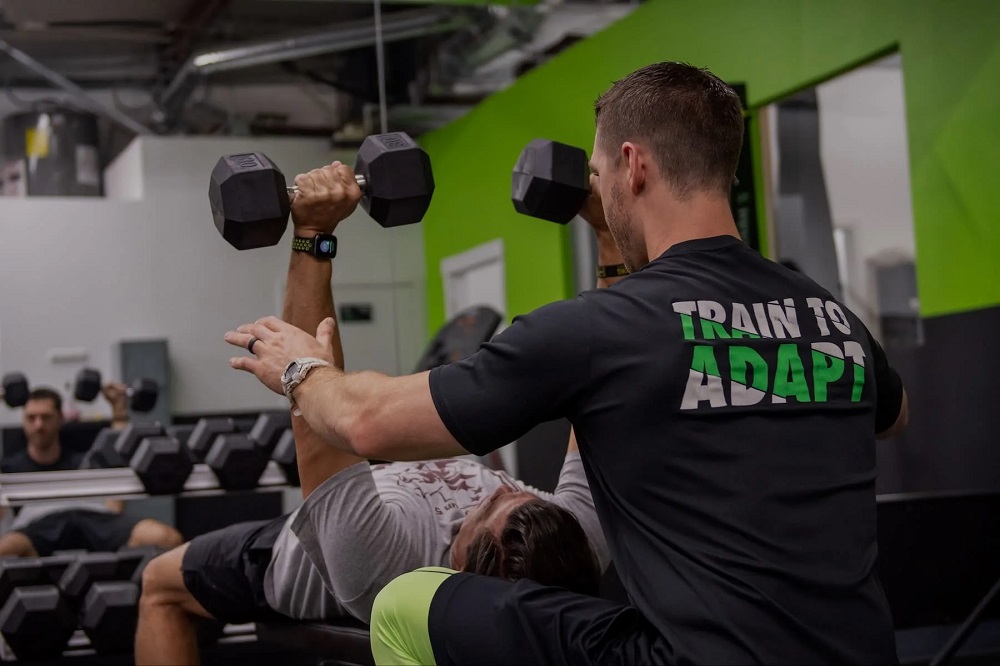

When stepping into a gym or beginning a new exercise program, it becomes immediately apparent that a single, standardized routine cannot serve every individual. A collegiate athlete preparing for peak competitive performance requires a drastically different approach than a busy office worker looking to relieve lower back pain or a client aiming to drop body fat. Fitness trainers serve as the architects of human movement, translating broad client ambitions into precise, scientific exercise programs.
Adapting a workout routine goes far beyond swapping out a few exercises. Certified personal trainers manipulate acute training variables—including load, volume, tempo, rest intervals, exercise selection, and training frequency—to elicit specific physiological adaptations. By understanding the science behind program design, clients can better appreciate how tailored workouts accelerate progress toward their unique fitness goals.
The Foundation of Program Design: Assessing the Individual
Before a trainer prescribes a single repetition, they conduct a comprehensive assessment to establish a client baseline. Designing a safe, effective workout program requires understanding an individual’s movement mechanics, injury history, lifestyle constraints, and current physical condition.
A thorough baseline evaluation typically includes:
-
Health History and Injury Screening: Reviewing past surgeries, joint issues, medical conditions, and daily activity levels to identify movement contraindications.
-
Movement and Postural Audits: Observing squat mechanics, overhead arm mobility, single-leg balance, and core stability to catch movement compensations or muscular imbalances.
-
Cardiovascular and Fitness Testing: Evaluating resting heart rate, submaximal aerobic capacity, and muscular endurance to set safe intensity thresholds.
-
Goal Prioritization: Narrowing down broad client desires into specific, measurable physical objectives that dictate the primary training methodology.
Once these assessment metrics are established, the trainer selects a training structure that aligns directly with the client’s primary objective.
Adapting Workouts for Muscle Hypertrophy and Aesthetics
Clients aiming to increase muscle size and improve body composition require training programs engineered around mechanical tension, metabolic stress, and muscle damage. Muscle hypertrophy relies on challenging targeted muscle fibers through controlled volume and progressive resistance.
Load and Volume Manipulation
To stimulate hypertrophy, trainers prescribe moderate to heavy loads, typically ranging from 65 percent to 85 percent of a client’s one-repetition maximum (1RM). Sets usually fall between 3 and 5, with repetitions ranging from 6 to 12 per exercise. This rep range optimizes the balance between mechanical tension and time under tension, providing the ideal stimulus for muscular growth.
Rest Intervals and Repetition Tempo
Hypertrophy training incorporates moderate rest periods of 60 to 90 seconds between sets. This timeframe allows partial recovery of muscle energy stores while maintaining sufficient metabolic stress—a key driver of muscle cell growth. Furthermore, trainers emphasize controlled eccentric (lowering) tempos, such as a three-second descent, to maximize localized muscle fiber disruption and encourage repair.
Tailoring Programs for Maximal Strength and Power
Building absolute strength requires training the central nervous system to recruit motor units rapidly and efficiently. Unlike hypertrophy training, where muscular exhaustion is a goal, strength and power development prioritizes high neurological output and explosive movement quality.
Heavy Loads and Low Volume
Strength-focused workouts utilize heavy loads exceeding 85 percent of a client’s 1RM, often working in the 1 to 5 repetition range over 4 to 6 sets per exercise. Because the focus is on peak neural recruitment rather than metabolic fatigue, total volume per session is kept lower to prevent central nervous system burnout.
Extended Rest for Full Neurological Recovery
To ensure every set is executed with maximal force production, trainers prescribe long rest intervals ranging from 2 to 5 minutes between sets. This extended rest allows the body to fully replenish its adenosine triphosphate (ATP) energy reserves and gives the nervous system time to recover, ensuring the client can move heavy loads safely and explosively on subsequent sets.
Modifying Routines for Fat Loss and Metabolic Conditioning
When the primary objective is fat loss, trainers structure workouts to maximize energy expenditure during the session while elevating post-exercise oxygen consumption (EPOC), commonly known as the calorie-burn effect after a workout.
High-Density Workouts and Circuit Training
Fat loss programs prioritize training density—doing more physical work in less time. Trainers achieve this by arranging exercises into supersets, trisets, or fast-paced circuits. Combining non-competing exercise patterns, such as alternating a upper-body push with a lower-body pull, keeps the client moving continuously without local muscular exhaustion stopping the workout.
Short Rest Intervals and Compound Movements
Rest periods in fat loss routines are intentionally kept short, usually between 15 and 45 seconds. By keeping rest brief and focusing almost exclusively on multi-joint compound exercises (such as squats, kettlebell swings, and rowing variations), trainers elevate the heart rate, stimulate cardiovascular endurance, and maximize overall caloric burn.
Designing Programs for General Health, Mobility, and Longevity
For clients seeking improved functional mobility, stress reduction, and daily vitality, workouts prioritize joint health, multi-planar movement, and core stabilization.
Functional Multi-Planar Exercise Selection
Daily life occurs in three planes of motion: sagittal (forward and backward), frontal (side to side), and transverse (rotational). Traditional workout routines often overemphasize the sagittal plane through forward-and-backward exercises like bench presses and bicep curls. Trainers working with general health clients incorporate lateral lunges, rotational woodchoppers, and single-leg stability holds to build balanced joint resilience and lower everyday injury risks.
Submaximal Intensity and Movement Quality
Programs focused on longevity utilize moderate loads (50 percent to 70 percent of 1RM) with higher rep ranges (12 to 15 reps) and moderate rest. The goal is to build movement confidence, improve cardiovascular efficiency, and enhance joint lubrication without placing excessive strain on connective tissues or causing debilitating post-workout soreness.
Advanced Progression Models and Auto-Regulatory Adjustments
A skilled fitness trainer does not simply write a static four-week workout plan and leave it unchanged. Outstanding coaching involves continuous monitoring and real-time adaptations based on how a client’s body responds on any given day.
Trainers utilize auto-regulation techniques, adjusting weight, volume, or exercise selection on the fly based on a client’s daily readiness score, sleep quality, stress levels, or movement quality. If a client arrives exhausted after a high-stress work week, a trainer might substitute a heavy barbell squat with a goblet squat or reduce overall working volume, ensuring the client leaves the session stimulated rather than depleted.
Frequently Asked Questions
How does a trainer adjust a workout for someone with a chronic joint injury?
Trainers adjust workouts for joint issues by modifying ranges of motion, altering exercise angles, and swapping out open-chain movements for closed-chain alternatives that offer greater joint stability. They also focus on strengthening the stabilizer muscles surrounding the affected joint while avoiding movement patterns that cause sharp pain or joint impingement.
Can a single workout routine help me lose fat and gain muscle at the same time?
Simultaneous fat loss and muscle gain, often called body recomposition, is possible, especially for beginners or individuals returning from a long training hiatus. Trainers achieve this by combining heavy compound resistance training (to signal muscle retention and growth) with moderate caloric deficits and strategic conditioning drills to support fat loss.
How often should a trainer change my exercise routine to keep seeing results?
Rather than changing exercises every week—which prevents you from mastering movement patterns and tracking progressive overload—trainers typically update the core structure of a program every 4 to 6 weeks. Within that 4-to-6-week window, they adjust variables like weight, repetitions, or rest times weekly to drive continuous adaptation.
What is the difference between working with a trainer for strength versus athletic power?
Strength training focuses on moving maximum weight against resistance, regardless of speed. Power training focuses on moving light to moderate resistance as fast as possible. For power development, trainers incorporate explosive exercises like medicine ball throws, kettlebell swings, and plyometrics, emphasizing speed of movement over sheer weight.
How do trainers adapt workouts for older adults who want to maintain functional mobility?
For older adults, trainers focus heavily on balance, multi-directional movement, core stability, and maintaining bone density. They incorporate bodyweight movements, resistance bands, step-ups, and balance challenges that mimic daily activities like getting up from a chair, climbing stairs, or carrying groceries safely.
How do rest times between sets specifically impact workout outcomes?
Rest times dictate which energy system your body relies on and control the balance between neural recovery and metabolic stress. Short rest periods (15 to 45 seconds) build endurance and elevate caloric burn; moderate rest periods (60 to 90 seconds) maximize muscle hypertrophy through metabolic buildup; long rest periods (2 to 5 minutes) allow neural recovery for maximal strength and power output.
Why do trainers emphasize eccentric movement tempos for beginner clients?
Focusing on slow, controlled eccentric (lowering) tempos helps beginners develop motor control, reinforces proper movement mechanics, and strengthens tendons and connective tissues. Controlled tempos prevent momentum from taking over the lift, reducing injury risk while helping the central nervous system learn the movement pattern effectively.

Comments are closed.