
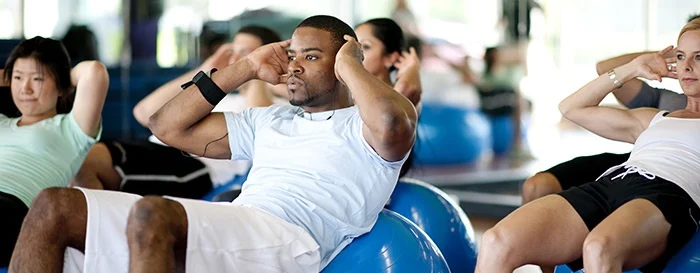

Exercise, often regarded as a fundamental component of a healthy lifestyle, extends far beyond the simple act of physical movement. It is an intricate interplay of physiological, psychological, and social factors that collectively enhance the quality of life. Whether it is a brisk walk in the park, an intense session of strength training, or a serene yoga practice, exercise embodies the human capacity for growth, resilience, and rejuvenation. This article delves into the multifaceted nature of exercise, its diverse benefits, and the art of integrating it meaningfully into everyday life.
Defining Exercise: More Than Just Physical Activity
Exercise refers to planned, structured, and repetitive bodily movement aimed at improving or maintaining one or more components of physical fitness. Unlike general physical activity, which encompasses all movements of the body, exercise is intentional and designed to achieve specific health or performance goals.
Key components of exercise include:
-
Frequency: How often the activity is performed.
-
Intensity: The level of effort relative to one’s capacity.
-
Duration: The length of each exercise session.
-
Type: The mode or form of exercise, such as aerobic, strength, flexibility, or balance training.
Understanding these parameters allows individuals to tailor exercise routines effectively to their needs.
The Spectrum of Exercise Modalities
Exercise is far from monolithic; it encompasses a broad range of modalities, each offering unique benefits:
-
Aerobic Exercise: Activities like running, swimming, and cycling that improve cardiovascular endurance.
-
Strength Training: Resistance exercises such as weightlifting or bodyweight movements to build muscle mass and strength.
-
Flexibility Exercises: Stretching routines and yoga to enhance the range of motion and reduce injury risk.
-
Balance and Coordination: Practices like Pilates or tai chi that promote stability and neuromuscular control.
-
High-Intensity Interval Training (HIIT): Alternating short bursts of intense activity with rest, offering efficiency and metabolic benefits.
This diversity allows individuals to select or combine forms that best align with their goals, preferences, and physical condition.
The Holistic Benefits of Regular Exercise
The advantages of consistent exercise are profound and wide-ranging, impacting nearly every system in the body:
Physical Health Benefits
-
Cardiovascular Health: Regular aerobic exercise strengthens the heart muscle, improves circulation, and lowers blood pressure.
-
Musculoskeletal Strength: Resistance training enhances bone density, muscle tone, and joint function.
-
Weight Management: Exercise aids in burning calories and regulating metabolism, supporting healthy body weight.
-
Immune Function: Moderate exercise boosts immune responsiveness, reducing susceptibility to infections.
-
Chronic Disease Prevention: Reduces the risk of diabetes, certain cancers, and metabolic syndrome.
Mental and Emotional Well-being
-
Mood Enhancement: Exercise stimulates endorphin and serotonin production, alleviating symptoms of depression and anxiety.
-
Cognitive Function: Physical activity promotes neurogenesis and improves memory, attention, and executive function.
-
Stress Reduction: Exercise acts as a natural stress reliever, fostering relaxation and resilience.
-
Sleep Quality: Regular activity contributes to deeper and more restorative sleep patterns.
Social and Lifestyle Advantages
-
Community and Connection: Group classes and sports cultivate social bonds and accountability.
-
Enhanced Productivity: Increased energy and mental clarity translate into improved performance in work and daily tasks.
-
Longevity: Active individuals tend to enjoy longer, healthier lives with improved functional independence.
Designing an Effective Exercise Routine
Crafting a successful exercise regimen requires thoughtful consideration of individual goals, lifestyle, and physical limitations:
-
Assess Your Baseline: Understanding current fitness levels guides safe and effective progression.
-
Set Realistic Goals: Specific, measurable, achievable, relevant, and time-bound (SMART) goals foster motivation.
-
Incorporate Variety: Mixing different types of exercise prevents boredom and promotes balanced fitness.
-
Schedule Consistency: Regular sessions, even if brief, outperform sporadic intense efforts.
-
Prioritize Recovery: Adequate rest, hydration, and nutrition are crucial to sustain progress and prevent injury.
-
Seek Professional Guidance: Trainers or healthcare providers can personalize programs and ensure safety.
By approaching exercise with intention and flexibility, adherence becomes more manageable and rewarding.
Overcoming Common Barriers to Exercise
Despite its well-known benefits, many individuals struggle to maintain regular exercise habits. Recognizing and addressing common obstacles is essential:
-
Time Constraints: Short, high-intensity workouts or active commuting can integrate exercise into busy schedules.
-
Lack of Motivation: Finding enjoyable activities and setting social or competitive goals enhances engagement.
-
Physical Limitations: Adaptive exercises and gradual progression accommodate injuries or chronic conditions.
-
Accessibility Issues: Utilizing home workouts or community resources mitigates environmental barriers.
-
Fear of Judgment: Embracing a personal journey and supportive environments fosters confidence.
By anticipating these challenges, individuals can devise practical solutions to sustain their commitment.
The Science Behind Exercise and Longevity
Scientific research consistently supports exercise as a cornerstone of healthy aging. It mitigates the natural decline in muscle mass, bone density, and cognitive function that accompanies aging. Exercise enhances cellular health by reducing oxidative stress and inflammation, contributing to disease resistance. Furthermore, it improves mobility and balance, thereby reducing fall risk and maintaining independence.
Exercise and the Mind-Body Connection
Modern understanding appreciates exercise as a powerful medium connecting physical and mental realms. Practices such as yoga and tai chi exemplify this integration, promoting mindfulness alongside movement. This synergy fosters holistic wellness—calming the nervous system, enhancing body awareness, and cultivating emotional balance.
The Future of Exercise: Innovation and Personalization
Technological advancements are reshaping how individuals engage with exercise:
-
Wearable Devices: Track heart rate, steps, sleep, and calories to optimize workouts.
-
Virtual Coaching: Online platforms provide personalized guidance and community support.
-
AI-Driven Programs: Algorithms tailor routines based on real-time feedback and goals.
-
Gamification: Incorporating game elements into exercise increases motivation and enjoyment.
These innovations make exercise more accessible, engaging, and effective for diverse populations.
Conclusion: Embracing Exercise as a Lifelong Commitment
Exercise is undeniably a vital catalyst for physical health, mental clarity, and emotional resilience. Its benefits ripple across personal, social, and societal dimensions, underscoring its role as a fundamental pillar of wellbeing. By embracing exercise as a lifelong practice—adaptable, purposeful, and joyful—individuals unlock the potential for sustained vitality and fulfillment.
Ultimately, exercise is an eloquent celebration of human potential—the capacity to move, adapt, and thrive in a world that constantly demands resilience and balance.
Key Takeaways
-
Exercise is a deliberate, structured physical activity aimed at improving fitness.
-
It encompasses various forms including aerobic, strength, flexibility, and balance training.
-
Regular exercise yields comprehensive benefits for body, mind, and social wellbeing.
-
Effective routines require personalization, consistency, variety, and recovery.
-
Overcoming barriers involves practical strategies tailored to individual circumstances.
-
Scientific evidence links exercise to longevity and healthy aging.
-
Technological innovations are enhancing the accessibility and personalization of exercise.
By integrating these principles, exercise can become a joyful, sustainable, and transformative part of life’s journey.

Comments are closed.