
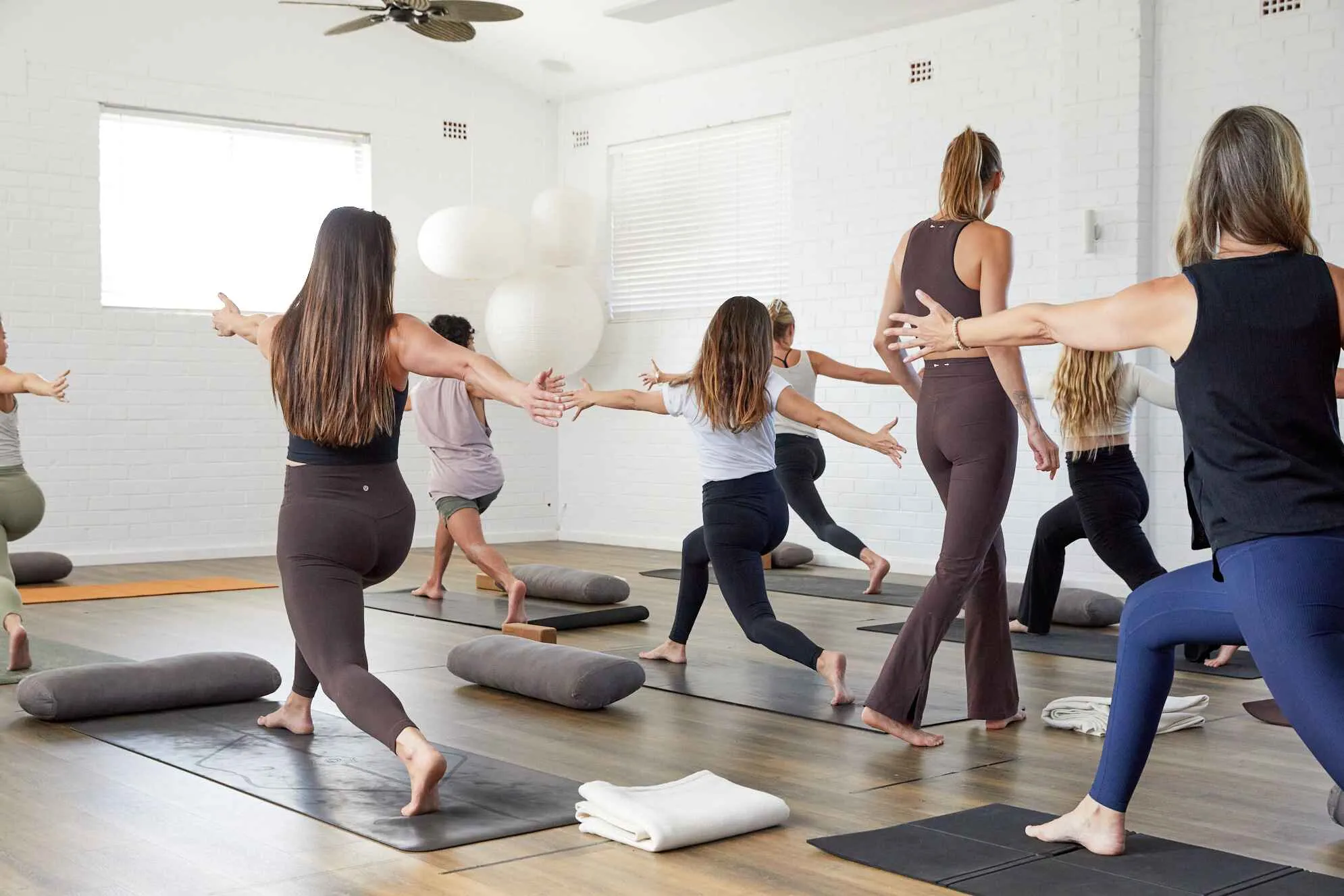

Urban living in Singapore brings convenience, connectivity, and a steady buzz of energy. Yet it also comes with tightly packed spaces, constant movement, and environmental factors that make mindful breathing harder than most people realise. Many adults feel short of breath during daily activities or notice their chest tightening during long commutes. This is why more people search for a yoga studio near me as a practical way to improve respiratory efficiency in a natural, guided setting. Breathing is the foundation of life, but for many city dwellers, the breath becomes shallow without them knowing.
As Singapore grows denser and busier, proper respiratory function becomes a quiet but essential health priority. Studio based yoga practice is one of the few daily routines that helps people retrain their breath, expand lung capacity, and form better breathing habits that carry into their work and home environment. In the later part of the article, you will see how platforms like Yoga Edition give individuals a structured path to reconnect with healthy breath patterns.
Understanding How Urban Living Affects Breathing
Most people assume their breathing is normal until they begin practising conscious breathwork. The body adapts quickly to stress, noise, and rushed routines, which is why many adults unknowingly shift into shallow upper chest breathing. This creates a state where the body gets just enough oxygen to function, but not enough to feel energised or centred.
Common breathing challenges faced in Singapore include:
-
Frequent short breaths from rushing between MRT lines or walking in humid weather
-
Slight chest tightness caused by long periods in air conditioned spaces
-
Inconsistent breath rhythm from multitasking at work
-
Breath holding during phone scrolling or stressful email reading
-
Reduced inhale depth due to slouched upper body posture
A yoga studio environment helps reverse these patterns by teaching the body to move in harmony with breath rather than treating breath as a background function.
How Studio Guided Practice Strengthens Respiratory Awareness
In a structured yoga class, breathing is not an optional activity. It is integrated into every transition, every posture, and every moment of stillness. This makes the breath more familiar and more intentional.
Studio instructors guide adults to reconnect with:
-
Diaphragmatic expansion
-
Longer, smoother exhalation cycles
-
Steady breathing during physical exertion
-
Relaxed upper chest and shoulders
-
Consistent breath pacing even during movement
Someone who learns these habits in the studio often notices improved comfort during walking, climbing stairs, or managing hot weather. Breathing becomes a supportive tool instead of a reaction to stress.
How Movement and Breath Work Together to Improve Lung Function
Yoga uses gentle sequences to open the rib cage, improve spinal alignment, and allow the lungs to move without restriction. Many people do not realise how much posture affects their breathing ability.
In a yoga class, breath improvement comes from:
-
Rib cage expansion during side bends
-
Deep diaphragm activation during forward folds
-
Chest opening through supported backbends
-
Improved shoulder mobility, allowing deeper inhalation
-
Abdominal engagement that supports exhalation strength
When the spine and rib structure opens, the lungs naturally take in more air with less effort.
Why Studio Breathing Is More Effective Than Practising Alone
Breathing deeply sounds simple, but most adults need real-time guidance to stay consistent. On their own, people often revert to old patterns within minutes.
At a physical yoga studio, the space itself encourages deeper respiration. The pace of the class is intentional. The environment is free of distractions. The instructor guides posture and breathing simultaneously, which ensures the body stays aligned enough to take deeper breaths safely.
Studio elements that improve respiratory training:
-
Controlled room environment
-
Focused auditory cues to guide inhale and exhale
-
Visual demonstrations that encourage proper rib and diaphragm movement
-
Hands on or verbal corrections to prevent strain
-
Class structures that build breath stamina safely over weeks
Practising at home rarely provides this level of structure.
How a Yoga Studio Near Me Supports Long Term Respiratory Efficiency
Breathing becomes healthier when people practise regularly in a guided setting. The improvements accumulate gradually and naturally.
Long term breathing gains include:
-
Better oxygen uptake during physical activity
-
Lower breathlessness while walking or climbing
-
Less chest tightening during stressful moments
-
Better resilience in humid or warm environments
-
A calmer resting breath even outside the studio
Most adults also experience an improved sense of mental clarity because the brain functions better with consistent oxygen flow.
How Studio Breathing Helps Emotional Steadiness
Although the focus of this article is respiratory efficiency, it is important to recognise an attached benefit. When the breath becomes smoother and more consistent, the mind settles naturally. Many adults notice that their reactions slow down and their patience increases when breathing becomes more efficient.
This is not a psychological exercise. It is simply the body responding to balanced oxygen and carbon dioxide exchange.
Breath improvements often lead to:
-
Reduced irritability
-
Better focus during work meetings
-
More controlled reactions in busy environments
-
A stronger sense of presence during daily activities
All of this begins with physically healthier breathing patterns.
Breathwork Techniques Commonly Taught in Studio Classes
Each yoga studio offers different class styles, but several breath techniques are commonly introduced to improve respiratory health.
Common guided breathing methods include:
-
Slow diaphragmatic breathing
-
Measured inhalation and exhalation counts
-
Breath coordination with gentle flows
-
Cooling or warming breath techniques based on body needs
-
Resting breath awareness during final relaxation
These techniques help participants build a reliable breathing foundation they can use throughout the day.
Using Breath Awareness Outside the Studio
The ultimate goal of studio based breathwork is to help people breathe better in real life situations. Many adults report noticing their breath during moments where they normally would not have paid attention.
Common improvements noticed outside class:
-
Better breathing rhythm when walking in crowded places
-
Smoother breath during commuting
-
Faster recovery after climbing stairs
-
Reduced breath holding while working
-
Improved comfort during outdoor activities
Respiratory efficiency becomes a lifestyle advantage rather than a class based skill.
The Role of Studio Community in Encouraging Healthy Breathing
Breathwork feels easier when surrounded by others following the same rhythm. The social environment of a yoga studio makes it more motivating and less intimidating, especially for people who are new to conscious breathing.
Community benefits include:
-
A sense of shared pace
-
Encouragement to keep practising
-
Increased consistency due to class commitments
-
Gentle motivation from instructors and fellow students
Breathing becomes a collective experience rather than an isolated task.
Why Urban Adults Prefer Studio Practice Over Outdoor Exercise
Outdoor workouts are useful, but they do not always support breath consistency. Weather factors, sudden noise, traffic movement, and unpredictable pace can interfere with mindful breathing. In contrast, a studio is controlled, steady, and supportive.
Studio breathing advantages:
-
Consistent temperature
-
Focused environment
-
Predictable pace
-
Safe postures guided by instructors
This makes breath training more reliable.
Choosing the Right Studio for Respiratory Focus
Not every class needs to be advanced. People looking to improve respiratory health often benefit from gentle flows, breath focused sessions, and alignment based classes that encourage slow, full breathing.
A well structured space like Yoga Edition allows beginners and experienced adults to build consistent breathing routines safely.
Real Life Improvements Reported by Studio Practitioners
Singapore residents who practise regularly often share similar changes:
-
They breathe more deeply without trying
-
Their chest feels lighter
-
They feel less tired during the day
-
Their concentration improves
-
They find it easier to relax in crowded or noisy places
These improvements build confidence in daily life.
FAQs About Improving Respiratory Efficiency Through Studio Yoga
Q1. Can yoga help reduce the breathlessness I feel when walking in humid weather?
Yes. Studio breathwork strengthens the diaphragm and teaches the body to regulate inhalation and exhalation more efficiently. This helps reduce breathlessness during outdoor movement.
Q2. Will I need advanced yoga experience to improve my breathing?
No. Respiratory focused improvements come from gentle, guided breathwork that anyone can learn. Consistency matters more than skill level.
Q3. Can yoga help with morning breathing discomfort after waking up in air conditioning?
Yes. Breathing exercises help rehydrate the breathing pathways and restore natural breath flow after a night in cool, dry air.
Q4. How long does it take to notice breathing improvements?
Most people feel early changes within two to three weeks of consistent practice, especially when attending classes multiple times a week.
Q5. Is studio breathing training safe for older adults?
Yes. Properly guided breathwork is gentle and safe for most age groups. A studio environment ensures that breathing remains stable and comfortable.

Comments are closed.