
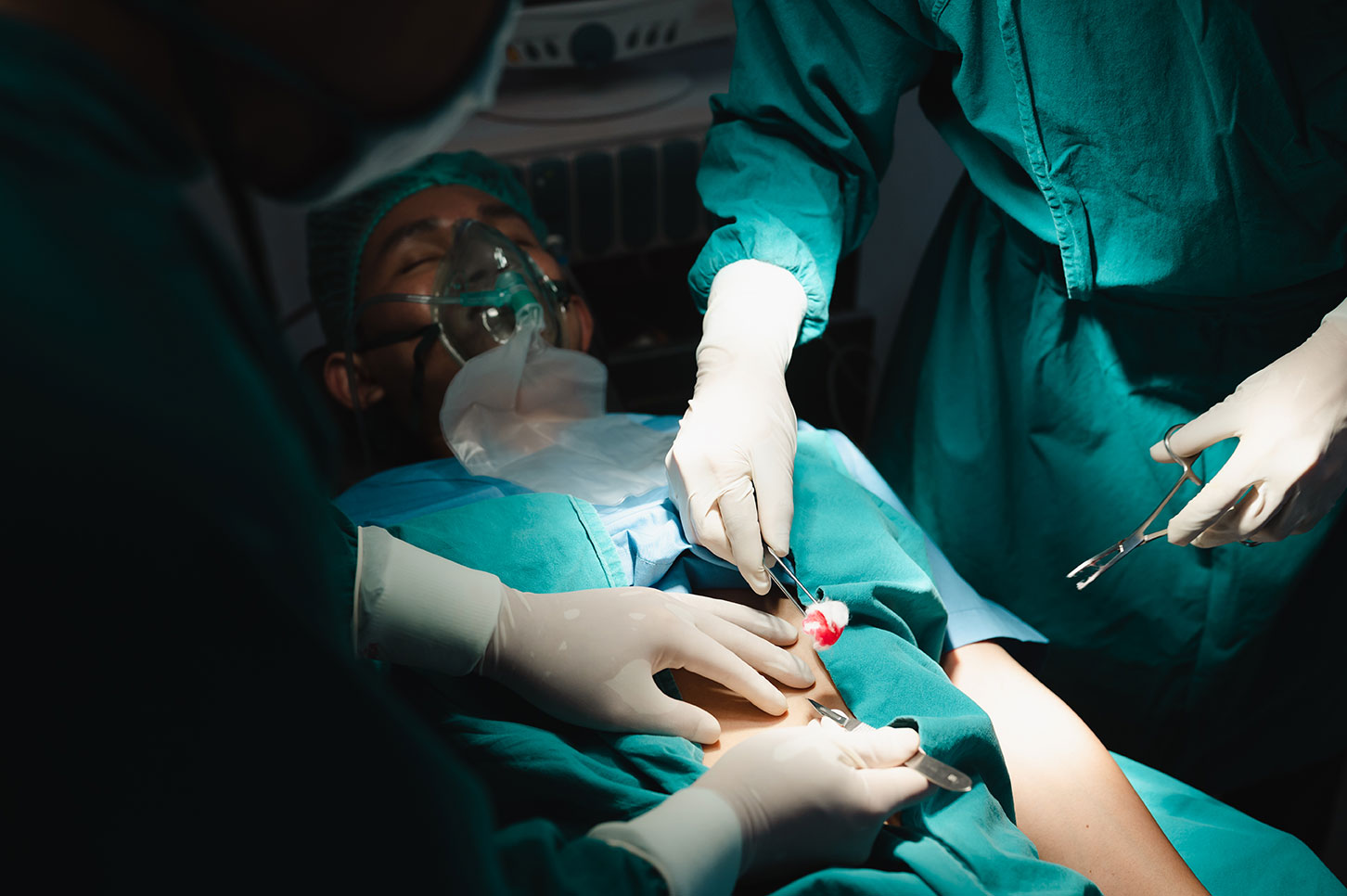

Surgery stands as one of the most remarkable achievements of modern medicine—a discipline where science, technology, and human skill converge to restore health, alleviate pain, and sometimes save lives. Far beyond the simple notion of “cutting and stitching,” surgery embodies a complex, nuanced art that demands precision, deep knowledge, and compassionate care. This article delves into the world of surgery, exploring its evolution, types, significance, challenges, and the transformative impact it holds for patients worldwide.
The Evolution of Surgery: From Ancient Practices to Modern Mastery
Surgery’s roots stretch back thousands of years, tracing a path from rudimentary procedures performed with primitive tools to today’s sophisticated, minimally invasive techniques. Ancient civilizations such as the Egyptians, Greeks, and Indians practiced early forms of surgery—trepanation to relieve head pressure, or setting broken bones—with limited anesthesia and antiseptics. The Renaissance brought advancements in anatomy and surgical instruments, while the 19th and 20th centuries witnessed revolutionary breakthroughs:
-
Anesthesia: The introduction of ether and chloroform transformed surgery from a terrifying ordeal into a pain-free procedure.
-
Antiseptic Techniques: Pioneered by Joseph Lister, these methods drastically reduced infection rates.
-
Imaging Technologies: X-rays, MRI, and CT scans enhanced diagnostic accuracy and surgical planning.
-
Minimally Invasive Surgery: Laparoscopy and robotic-assisted surgery allow smaller incisions, reduced recovery times, and fewer complications.
This historical journey reflects surgery’s constant refinement and growing precision, elevating patient safety and outcomes.
Types of Surgery: Diverse Approaches to Meet Varied Needs
Surgery encompasses a broad spectrum of procedures tailored to address different medical conditions, categorized broadly as:
-
Elective Surgery: Planned interventions such as joint replacements or cosmetic procedures.
-
Emergency Surgery: Urgent operations required for trauma, appendicitis, or internal bleeding.
-
Diagnostic Surgery: Procedures like biopsies to obtain tissue samples for disease identification.
-
Curative Surgery: Removing tumors or diseased organs to eradicate illness.
-
Palliative Surgery: Alleviating symptoms and improving quality of life in incurable conditions.
-
Reconstructive Surgery: Restoring form and function after injury or congenital defects.
-
Transplant Surgery: Replacing failing organs with donor counterparts.
Each type demands specific skills, planning, and patient considerations, underscoring the versatility and complexity of surgical practice.
The Surgical Process: A Journey from Preparation to Recovery
Surgery is not an isolated event but a comprehensive process encompassing several critical stages:
Preoperative Phase
-
Assessment and Diagnosis: Thorough evaluation including medical history, physical exams, and diagnostic tests.
-
Informed Consent: Educating the patient about risks, benefits, and alternatives, ensuring voluntary agreement.
-
Preparation: Instructions on fasting, medication adjustments, and psychological readiness.
Intraoperative Phase
-
Anesthesia Administration: Tailored to the procedure and patient’s health status—general, regional, or local.
-
Surgical Intervention: Performed in sterile environments by skilled surgical teams.
-
Monitoring: Continuous observation of vital signs and anesthesia effects.
Postoperative Phase
-
Recovery and Pain Management: Monitoring for complications and ensuring patient comfort.
-
Rehabilitation: Physical therapy or follow-up treatments to restore function.
-
Follow-Up Care: Long-term monitoring for healing progress and addressing any concerns.
This meticulous orchestration ensures surgery is conducted safely, effectively, and humanely.
The Importance of Surgery in Modern Medicine
Surgery plays a pivotal role across numerous medical fields, offering solutions unattainable through other treatments:
-
Life-Saving Interventions: Emergency surgeries manage trauma, cardiovascular catastrophes, and acute infections.
-
Cancer Treatment: Surgical excision remains a cornerstone for many malignancies.
-
Chronic Condition Management: Procedures like bypass surgery, organ transplants, or joint replacements dramatically improve life quality.
-
Corrective and Cosmetic Enhancements: Restoring physical appearance and function can profoundly impact psychological well-being.
Moreover, advances in surgical techniques continue to expand possibilities, making previously inoperable conditions treatable.
Challenges and Ethical Considerations in Surgery
Despite its profound benefits, surgery is fraught with challenges:
-
Risks and Complications: Infection, bleeding, anesthesia reactions, and unforeseen outcomes require vigilant risk management.
-
Access and Inequality: Geographic, economic, and systemic barriers limit availability of quality surgical care globally.
-
Informed Decision-Making: Balancing hope with realistic expectations demands transparent communication.
-
Technological Dependence: While innovative, reliance on complex devices raises costs and necessitates specialized training.
-
Ethical Dilemmas: Decisions regarding end-of-life surgeries, experimental procedures, and patient autonomy invoke moral considerations.
Addressing these issues is essential for the ethical and equitable practice of surgery.
Innovations Shaping the Future of Surgery
The horizon of surgery gleams with promising technologies and approaches:
-
Robotic Surgery: Enhances precision, reduces tremors, and allows remote operations.
-
3D Printing: Custom prosthetics and surgical models improve planning and outcomes.
-
Artificial Intelligence: Aids in diagnostics, surgical navigation, and predictive analytics.
-
Regenerative Medicine: Combining surgery with stem cell therapies to repair damaged tissues.
-
Telemedicine and Virtual Reality: Expanding training and intraoperative support, democratizing expertise.
These innovations herald a new era where surgery becomes safer, less invasive, and more personalized.
Conclusion: Surgery as a Testament to Human Ingenuity and Compassion
Surgery embodies a profound intersection of art, science, and empathy—a field where knowledge meets dexterity, and where the stakes are often life itself. It has evolved dramatically, saving millions of lives and restoring hope where illness once reigned. Yet, it remains a deeply human endeavor, dependent on trust, skill, and the unwavering commitment to healing.
As medicine advances, surgery will continue to adapt and inspire, standing as a testament to humanity’s relentless pursuit of wellness and resilience. Whether through groundbreaking technologies or timeless principles of care, surgery will remain central to transforming health and enriching lives.
Key Insights
-
Surgery has evolved from ancient rudimentary methods to sophisticated modern techniques.
-
It spans a wide range of procedures tailored for diagnosis, cure, palliation, and reconstruction.
-
The surgical journey involves careful preparation, expert execution, and attentive recovery.
-
Surgery’s impact on saving lives and improving quality of life is unparalleled.
-
Challenges include risk management, ethical dilemmas, and ensuring equitable access.
-
Emerging innovations promise to redefine surgical practice with greater precision and personalization.
In appreciating surgery’s complexity and significance, we honor not just a medical discipline but a powerful force for healing and hope in the human experience.

Comments are closed.